Which Commercial Insulation Works Best for Tyler, TX Buildings?
Selecting the right commercial insulation for your Tyler, TX building depends on structure type, usage patterns, and long-term energy performance goals.
What Makes Commercial Insulation Different from Residential?
Commercial buildings have larger open spaces, different wall assemblies, and higher ventilation demands that require insulation strategies tailored to their specific design.
Warehouses, retail spaces, offices, and restaurants each present unique challenges. A warehouse with a metal roof and open floor plan loses heat primarily through the roof deck, while an office building with multiple floors and interior partitions needs wall and ceiling insulation that also controls sound transmission. The materials and installation methods that work well in a home often fall short in these larger, more complex structures.
Fire codes and building regulations for commercial properties also differ significantly from residential standards. Insulation materials used in commercial spaces must meet specific flame spread and smoke development ratings. Your insulation contractor should understand these requirements and select products that satisfy local code enforcement without sacrificing thermal performance. Professional commercial insulation services in Tyler account for these factors during the planning stage so there are no surprises during inspection.
Spray Foam, Fiberglass, or Blown-In for Commercial Spaces?
Each insulation type offers distinct advantages depending on your building's construction and how the space is used day to day.
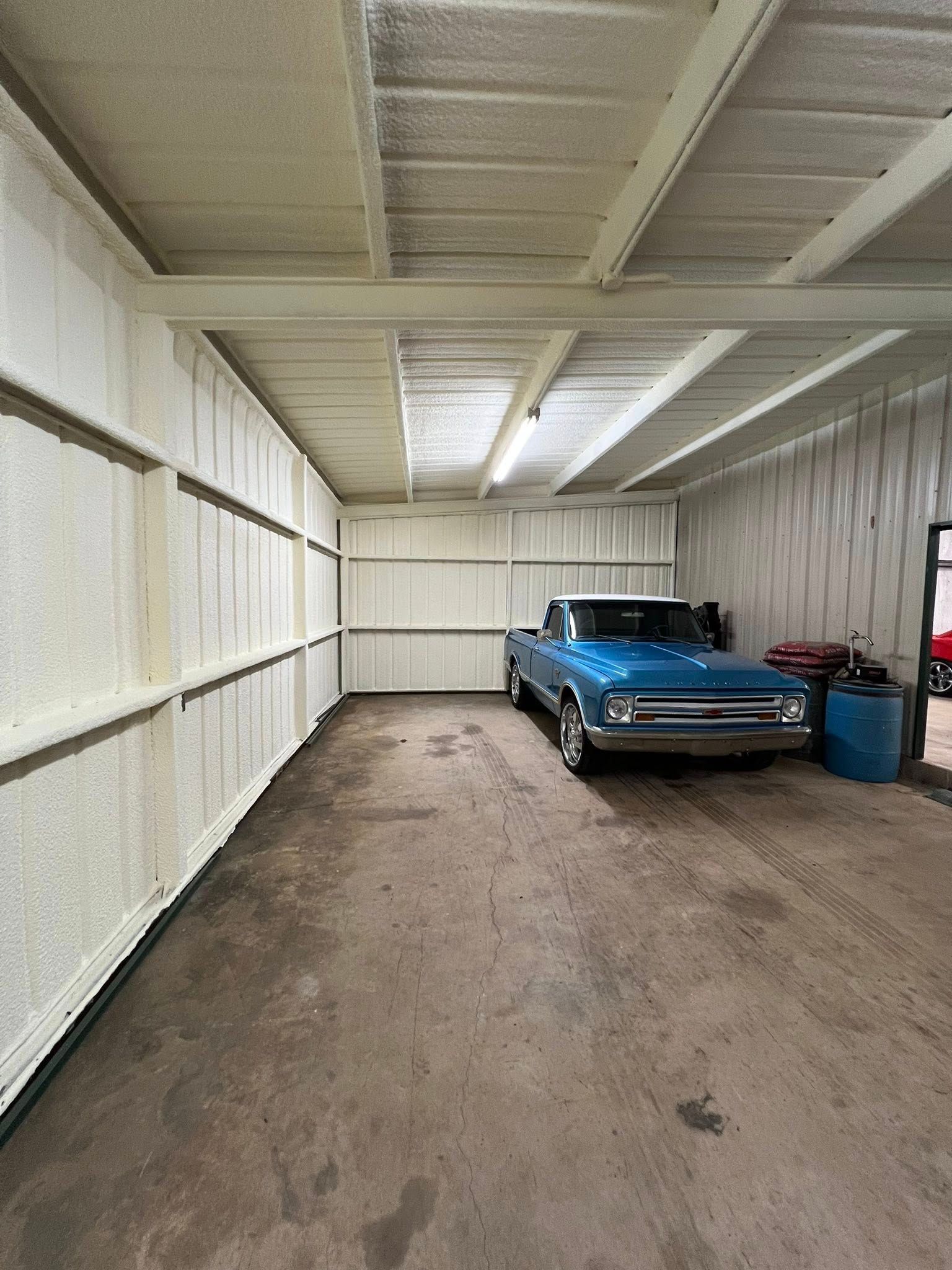
Closed-cell spray foam delivers the highest R-value per inch and creates a moisture-resistant air barrier in a single application. It bonds directly to metal roofing, concrete block walls, and steel framing, making it an excellent choice for warehouses, storage facilities, and buildings with irregular surfaces. Open-cell spray foam costs less and provides effective sound dampening, which works well for offices, clinics, and shared commercial spaces where noise control matters.
Fiberglass batts and rigid board insulation remain popular for commercial projects with standard stud-framed walls and drop ceilings. They are straightforward to install in new construction and easy to replace if sections become damaged. Blown-in insulation fills large attic and ceiling cavities quickly and works especially well when retrofitting older commercial buildings that need improved thermal performance without major structural changes.
The best approach often combines two or more materials. A retail building might use spray foam insulation in Tyler on the roof deck for maximum air sealing while using fiberglass in interior partition walls for cost-effective sound control. Insulation contractors serving the Four-States region evaluate each section of your building independently to recommend the right material for each area.
Key Factors to Consider Before Upgrading Building Insulation
Several practical considerations influence which insulation approach makes the most sense for your commercial property and budget.
Building age plays a significant role. Older structures may have outdated or missing insulation, single-pane windows, and unsealed penetrations that need addressing before new insulation can perform at its full potential. Starting with an assessment of your building envelope identifies the highest-impact improvements and helps you prioritize spending where it matters most.
Occupancy patterns also affect your decision. A building that operates around the clock has different insulation needs than one that sits empty overnight and on weekends. Facilities with high internal heat loads from equipment, lighting, or cooking may benefit more from air sealing than from adding additional insulation thickness. Understanding how your building gains and loses heat throughout the day guides smarter material choices.
How Tyler's Extended Heat Affects Commercial Building Performance
Tyler's long, hot summers put sustained pressure on commercial cooling systems, and inadequate insulation amplifies that burden every day from May through October.
Daytime temperatures regularly push into the mid-nineties, and metal-roofed commercial buildings absorb enormous amounts of solar heat that radiates into the interior. Without proper roof insulation, your HVAC system runs almost continuously during business hours, driving up operating costs and accelerating equipment wear. Buildings with dark-colored roofs or minimal overhang are especially vulnerable to this effect.
The combination of heat and humidity also creates condensation risks inside wall cavities and at roof-to-wall transitions. When warm, moist air meets cooled interior surfaces, water collects in places you cannot easily see or access. Over time, this hidden moisture damages structural components and degrades insulation performance. Addressing both thermal resistance and air sealing in your commercial insulation plan protects your building from the specific climate pressures that Tyler businesses face throughout the warmer months.